
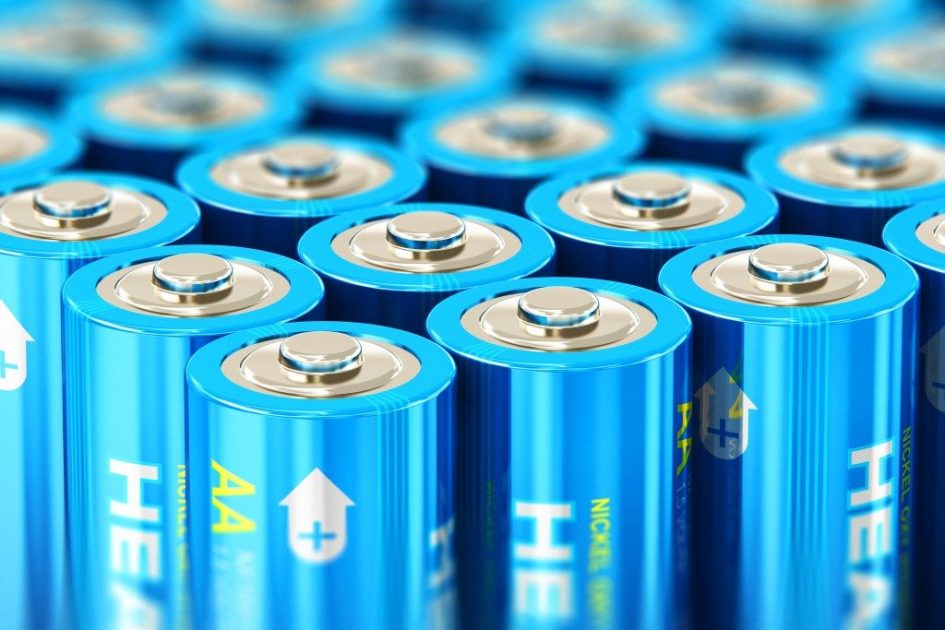
Argentina, nestled in the heart of South America, boasts significant lithium reserves, particularly within the renowned “lithium triangle” shared with Chile and Bolivia. This region, abundant in lithium-rich salt flats, has garnered global attention as a key player in the lithium market. In this article, we delve into the opportunities and challenges presented by Argentina’s lithium triangle, particularly in the context of lithium ion battery and their crucial role in shaping the future of energy storage.
Understanding Argentina’s Lithium Triangle
The lithium triangle encompasses vast salt flats, or salars, spanning across the northern regions of Argentina, Chile, and Bolivia. These salt flats hold vast reserves of lithium, primarily in the form of lithium-rich brine deposits. Argentina’s portion of the lithium triangle includes prominent salt flats such as Salinas Grandes and Hombre Muerto, which are among the largest and most promising lithium deposits in the world.
Opportunities in Lithium-ion Batteries
Lithium-ion batteries have emerged as the leading technology for energy storage, powering electric vehicles, renewable energy integration, and portable electronics. As the demand for lithium-ion batteries continues to skyrocket, Argentina’s lithium triangle presents significant opportunities for lithium extraction and battery production. With abundant lithium resources and a strategic geographic location, Argentina is well-positioned to become a major player in the global lithium-ion battery market.
Challenges Faced by Argentina’s Lithium Industry
Despite the vast potential of Argentina’s lithium reserves, the industry faces several challenges that must be addressed to fully capitalize on these opportunities. The remote location of lithium deposits in Argentina’s northern provinces presents logistical challenges in terms of infrastructure development, including transportation, energy, and water supply. Investing in infrastructure is essential to facilitate the exploration, extraction, and processing of lithium resources efficiently.
Lithium extraction from brine deposits involves the pumping and evaporation of groundwater, which can have significant environmental impacts, including water scarcity, soil degradation, and habitat destruction. Implementing sustainable mining practices and minimizing the environmental footprint of lithium extraction are crucial for mitigating these concerns. Argentina’s lithium industry operates within a complex regulatory framework that governs mining rights, environmental permits, and indigenous land rights. Streamlining regulations and fostering a conducive business environment are essential to attract investment and promote responsible mining practices.
The Road Ahead
Despite the challenges, Argentina’s lithium industry holds immense promise for driving economic growth, technological innovation, and sustainable development. By leveraging its abundant lithium resources, strategic location, and potential for collaboration with international partners, Argentina can establish itself as a leading producer of lithium-ion batteries and a key player in the global energy transition.
Conclusion
In conclusion, Argentina’s lithium triangle represents a hub of opportunities and challenges in the global lithium market. With its vast lithium reserves, Argentina has the potential to become a major supplier of lithium-ion batteries, driving the transition to clean energy and electric mobility worldwide. However, addressing infrastructure needs, environmental concerns, regulatory hurdles, and social impacts is essential to unlocking the full potential of Argentina’s lithium industry. By embracing sustainable practices, fostering collaboration, and prioritizing stakeholder engagement, Argentina can chart a path toward a prosperous and sustainable future powered by lithium-ion batteries.


