
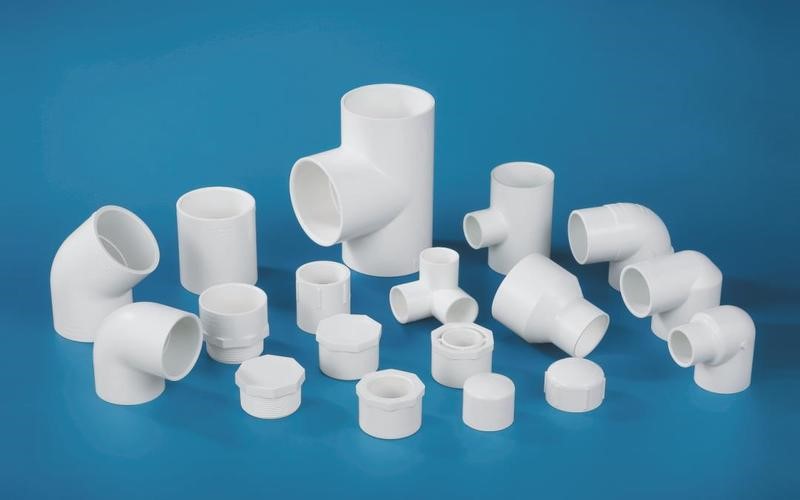
Polyvinyl chloride (PVC), a widely used synthetic polymer, plays a significant role in various industries due to its versatility, durability, and cost-effectiveness. However, workers involved in the production, processing, and handling is pvc safe may face occupational health risks associated with exposure to hazardous chemicals, airborne pollutants, and physical hazards. In this article, we will explore the occupational health concerns related to PVC exposure, examine potential risks, and discuss strategies for protecting workers’ health and safety.
Understanding PVC and Occupational Exposure
PVC, also known as vinyl, is a thermoplastic polymer derived from vinyl chloride monomers. It is used in a wide range of industries, including construction, healthcare, automotive, and packaging, for manufacturing products such as pipes, tubing, cables, flooring, and medical devices. While PVC offers several benefits for industrial applications, workers involved in PVC production and processing may be exposed to various hazards, including:
Chemical Exposure: PVC production involves the use of hazardous chemicals, including vinyl chloride monomer, plasticizers, stabilizers, and additives. Workers may come into contact with these chemicals during manufacturing, handling, and processing, leading to potential health risks.
Airborne Pollutants: PVC manufacturing processes, such as polymerization, compounding, and extrusion, can generate airborne pollutants such as volatile organic compounds (VOCs), dioxins, and particulate matter. Inhalation of these pollutants can cause respiratory irritation, respiratory disorders, and other adverse health effects in workers.
Physical Hazards: Workers involved in PVC production and processing may encounter physical hazards such as noise, heat, vibration, and ergonomic stressors. Prolonged exposure to these hazards can lead to musculoskeletal disorders, hearing loss, and other occupational injuries.
Health Risks Associated with PVC Exposure
Exposure to PVC and its associated chemicals can pose various health risks to workers, including:
Carcinogenicity: Vinyl chloride monomer, a key raw material in PVC production, is classified as a Group 1 carcinogen by the International Agency for Research on Cancer (IARC). Prolonged exposure to vinyl chloride monomer has been linked to an increased risk of liver cancer, angiosarcoma, and other cancers.
Respiratory Effects: Inhalation of airborne pollutants emitted during PVC manufacturing processes can cause respiratory irritation, coughing, wheezing, and exacerbation of pre-existing respiratory conditions such as asthma and chronic obstructive pulmonary disease (COPD).
Reproductive and Developmental Toxicity: Some chemicals used in PVC production, such as phthalates and lead-based stabilizers, have been associated with adverse reproductive and developmental effects in animal studies. Workers exposed to these chemicals may experience fertility problems, miscarriages, birth defects, and developmental disorders in their offspring.
Neurotoxicity: Certain PVC additives, such as lead and cadmium, are neurotoxic and can impair cognitive function, behavior, and neurological development. Occupational exposure to these neurotoxicants may lead to neurological disorders such as Parkinson’s disease, Alzheimer’s disease, and neurobehavioral deficits.
Regulatory Framework
Regulatory agencies worldwide have established standards, guidelines, and regulations to protect workers from occupational hazards associated with PVC exposure. Key regulatory considerations include:
Occupational Safety and Health Administration (OSHA): In the United States, OSHA sets and enforces workplace safety and health standards to protect workers from occupational hazards, including those associated with PVC exposure. OSHA standards address chemical hazards, respiratory protection, personal protective equipment (PPE), and other aspects of workplace safety.
European Union (EU) Regulations: In the European Union, occupational safety and health regulations are governed by directives such as the Chemical Agents Directive (CAD) and the Carcinogens and Mutagens Directive (CMD). These directives establish exposure limits, risk assessment requirements, and preventive measures to protect workers from chemical hazards, including those associated with PVC exposure.
International Standards: International organizations such as the International Labour Organization (ILO) and the World Health Organization (WHO) develop standards and guidelines for occupational safety and health. ILO conventions, such as the Occupational Safety and Health Convention (No. 155), provide a framework for promoting workplace safety and protecting workers’ health worldwide.
Mitigation Strategies
To mitigate occupational health risks associated with PVC exposure, employers, workers, and regulatory agencies can implement various strategies, including:
Engineering Controls: Implement engineering controls such as ventilation systems, local exhaust ventilation (LEV), and enclosed process systems to control airborne pollutants and minimize worker exposure during PVC manufacturing and processing operations.
Administrative Controls: Develop and implement administrative controls such as work practices, training programs, and standard operating procedures (SOPs) to minimize worker exposure to hazardous chemicals, reduce ergonomic stressors, and promote safe work practices.
Personal Protective Equipment (PPE): Provide workers with appropriate personal protective equipment, including respiratory protection, gloves, goggles, and protective clothing, to minimize exposure to PVC and its associated hazards. Ensure proper fit, use, and maintenance of PPE to maximize effectiveness.
Worker Training and Education: Train workers on the hazards is pvc safe exposure, safe handling practices, emergency procedures, and the proper use of PPE. Educate workers about the health risks associated with PVC exposure and empower them to advocate for their health and safety in the workplace.
Health Surveillance: Implement health surveillance programs to monitor workers’ health and detect early signs of occupational illnesses or injuries related to PVC exposure. Conduct regular medical examinations, biological monitoring, and exposure assessments to identify and mitigate health risks proactively.
Conclusion
Occupational exposure to PVC poses various health risks to workers involved in its production, processing, and handling. By understanding the hazards associated with PVC exposure, adhering to regulatory standards, and implementing effective control measures, employers can protect workers’ health and safety in the workplace. Moving forward, continued research, innovation, and collaboration are essential for advancing occupational health and promoting a safe and healthy working environment for all.


