In India, two-wheelers are widely favoured for their affordability and convenience, with lower operating expenses adding to their popularity. The increasing dependability of bikes has solidified their status as a transportation staple. While these vehicles have numerous advantages, caution is essential when pushing their limits.
Adhering to regular maintenance schedules and investing in Bajaj Allianz third-party two-wheeler insurance ensures a hassle-free bike ownership experience. Regular maintenance, including checking the engine oil level, is a simple yet vital step to keeping your bike in optimal condition.
Checking Engine Oil: Ensuring Bike Performance
Engine oil is crucial for lubricating a bike’s components, reducing friction, and preventing power loss. Regularly checking and maintaining optimal oil levels are essential for smooth functioning and longevity. Neglecting oil levels can increase friction, power loss, and potential engine damage.
Bike Insurance For Added Protection
While regular maintenance is crucial, purchasing bike insurance protects the bike and engine more. Engine protection cover, available through bike insurance, ensures financial security in case of unforeseen events. A bike insurance calculator can help determine policy costs, with options for engine protection plans.
Third-party bike insurance, though cost-effective, does not cover damages to your bike. It allows legal road usage but needs to provide comprehensive protection.
Symptoms Of Low Engine Oil: Listen To Your Bike
Recognising symptoms of low engine oil is crucial. Modern bikes may have an oil light signalling low levels, and unusual noises like loud metallic sounds from the engine can indicate the same issue.
How To Check Engine Oil Levels: Simple Steps
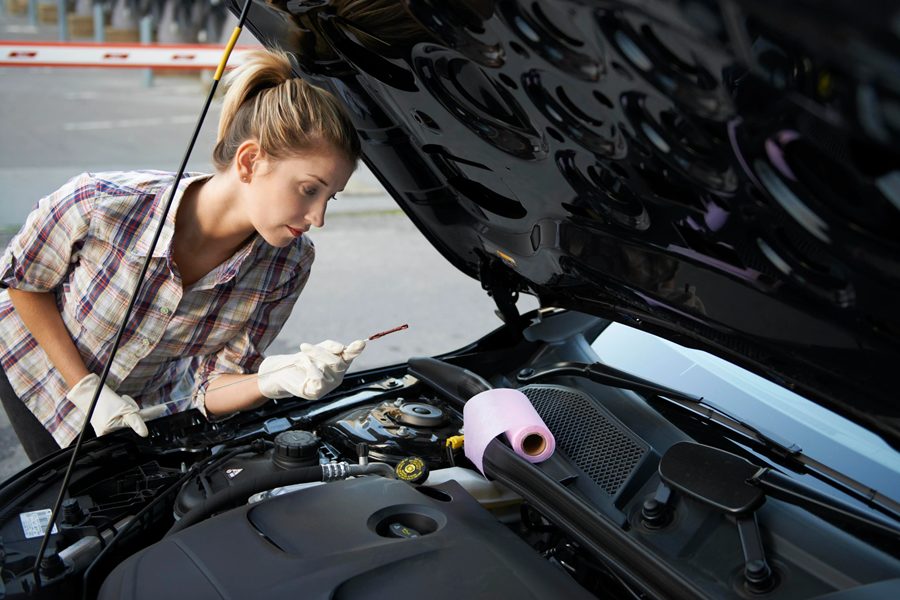
Two straightforward methods exist for checking bike engine oil levels:
- Checking With A Dipstick:
- Park the bike on the primary or centre stand.
- Allow the engine to cool for 10-15 minutes.
- Open the engine oil filler cap and wipe the dipstick.
- Insert the dipstick until it touches the cap’s thread, and check the oil level.
- Visually Examining Via The Engine Casing:
- Park the bike on the primary or centre stand.
- Allow the engine to cool for 10-15 minutes.
- Use the transparent window in the engine casing to visually check the oil level.
Assessing Engine Oil Health: Is It Time For A Change?
Checking engine oil doesn’t just reveal oil levels but also provides insights into oil quality:
- Golden Colour: If the oil is slightly golden, the engine is running smoothly, and the oil is in good condition, indicating no need for an immediate change.
- Black Colour: Black-coloured oil signals a loss of lubricating qualities. An oil change is necessary to maintain optimal engine performance.
- Whitish Colour: A whitish colour suggests mixing engine coolant with oil, indicating a critical issue. Immediate service centre attention is required, and riding should cease.
Regularly checking oil levels is crucial for a smooth-running bike and early detection of potential issues. Combining routine maintenance with bike insurance, especially engine protection cover, ensures comprehensive protection for your beloved two-wheeler. Utilise a bike insurance calculator to choose the right plan for your needs, safeguarding your bike and peace of mind. Make sure that you carry out the bike insurance renewal process on time. Claims are subject to terms and conditions set forth under the motor insurance policy. *
Subscribe to Bajaj Allianz General Insurance YouTube Channel here!
*Standard T&C Apply
Disclaimer: The content on this page is generic and shared only for informational and explanatory purposes. It is based on several secondary sources on the internet and is subject to changes. Please consult an expert before making any related decisions.
Insurance is the subject matter of solicitation. For more details on benefits, exclusions, limitations, terms, and conditions, please read the sales brochure/policy wording carefully before concluding a sale.