
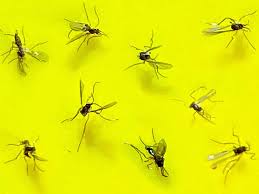
Fungus gnats might be small, but their impact on indoor plants is anything but. In this guide, we delve into the root causes of fungus gnat infestations and explore a variety of solutions. From tried-and-true chemical treatments to cultural practices and Novobac’s groundbreaking biological control methods, we’ve got you covered.
Understanding Fungus Gnat Infestations
Fungus gnats love moisture and are often a sign of overwatered houseplants or soil that’s too rich in organic matter. These tiny pests lay their eggs in damp soil, and their larvae feast on plant roots, leading to yellowing leaves, wilting, and stunted growth. Recognizing these signs early is crucial for effective control.
Chemical Control Methods
When fungus gnats take over, chemical insecticides can be a quick solution. Products with pyrethrins or neonicotinoids are particularly effective against adult gnats. However, it’s important to use these chemicals responsibly to safeguard your plants and the environment.
Cultural Practices for Prevention
The best defense against fungus gnats is prevention. Overwatering creates the perfect breeding ground for these pests. Letting the soil dry out a bit between waterings, ensuring good drainage, and removing decaying plant matter can drastically cut down gnat populations. Regularly checking your plants is also key to keeping them healthy and gnat-free.
Biological Control with Novobac’s Solutions
Novobac offers a more sustainable approach to gnat control. Their ‘bacillus-thuringiensis-israelensis’ product is a naturally occurring bacterium that specifically targets fungus gnat larvae. It’s safe for beneficial insects and the environment, making it an ideal solution for long-term control and protection of your plants.
Expanding on Biological Practices:
Biological control is all about using nature’s own methods to tackle pests. In the fight against fungus gnats, beneficial bacteria like ‘bacillus-thuringiensis-israelensis’ are invaluable. Applied to the soil, these bacteria release toxins that kill gnat larvae but are harmless to everything else. This approach not only effectively controls gnats but also supports eco-friendly gardening by reducing the need for chemical pesticides.
Integrating Novobac’s Products into Your Gardening Routine
Using Novobac’s ‘bacillus-thuringiensis-israelensis’ is easy and effective. It can be seamlessly combined with other control methods for a well-rounded approach to gnat management. Regular application as directed ensures a gnat-free environment and promotes the health and vitality of your indoor garden.
Fungus gnats can quickly become a nuisance in households with indoor plants. To effectively eradicate them, follow these comprehensive steps:
- Identify the Source: Determine which plants are attracting fungus gnats. Typically, overwatered or poorly draining soil provides a breeding ground for these pests.
- Adjust Watering Practices: Allow the soil to dry out between waterings. This reduces moisture levels in the soil, making it less hospitable for fungus gnat larvae.
- Remove Breeding Sites: Eliminate any decaying organic matter, such as dead leaves or fallen plant debris, from the soil surface. This removes potential breeding sites for fungus gnats.
- Improve Drainage: Ensure pots have adequate drainage holes to prevent water from pooling at the bottom. Adding a layer of gravel or sand to the top of the soil can also help improve drainage and deter egg-laying.
- Use Sticky Traps: Place yellow sticky traps near affected plants to capture adult fungus gnats. This helps reduce their population and monitor the effectiveness of other control measures.
- Introduce Predators: Consider introducing natural predators, such as predatory mites or nematodes, to the soil. These organisms feed on fungus gnat larvae, helping to control their population.
- Apply Insecticides: As a last resort, use insecticides labeled for fungus gnats. Follow instructions carefully and apply only as needed to avoid harming beneficial insects or plants.
By following these steps, you can effectively eliminate fungus gnats and prevent future infestations in your home. Regular monitoring and maintenance will help keep your plants healthy and pest-free.
Conclusion: Embracing a Holistic Approach to Gnat Control (Fungus Gnats)
Effectively managing fungus gnats means combining knowledge of their behavior with cultural practices, chemical treatments when needed, and biological solutions like Novobac’s ‘bacillus-thuringiensis-israelensis’. By adopting this comprehensive approach, you can maintain a healthy, flourishing indoor garden, free from the troubles of fungus gnats.