
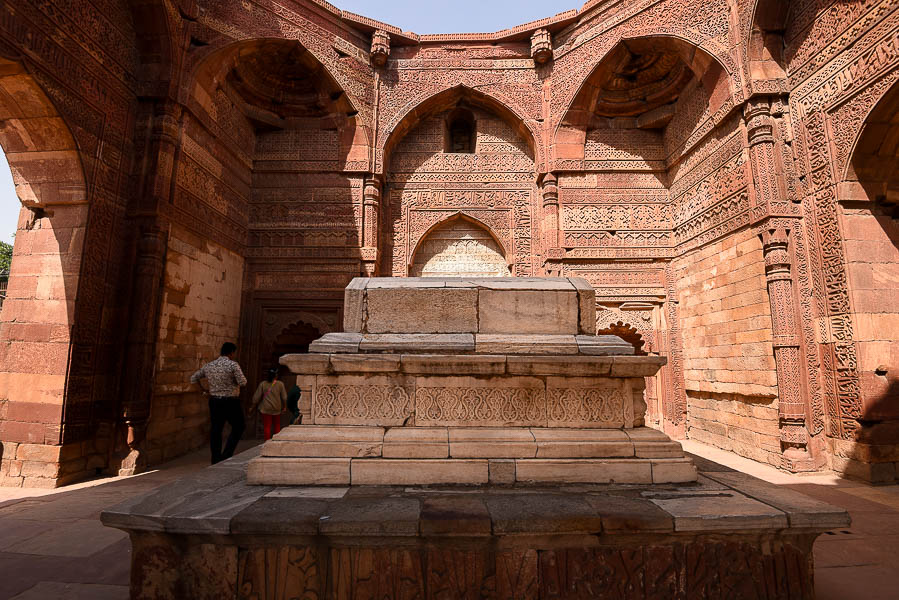
The Tomb of Iltutmish, located within the Qutb Complex in Mehrauli, Delhi, is one of the earliest examples of Indo-Islamic architecture in India. Built in 1235 CE, this mausoleum commemorates Shams-ud-din Iltutmish, the third ruler of the Delhi Sultanate and a significant figure in Indian history. Despite its modest size, the tomb holds immense historical, architectural, and cultural value.
This article delves into the historical background, architectural features, and significance of the Tomb of Iltutmish in Delhi, exploring its contribution to India’s rich heritage.
Historical Background
Shams-ud-din Iltutmish (1211–1236 CE) was the second ruler of the Slave Dynasty and one of the most influential sultans of the Delhi Sultanate. Originally a Turkish slave, Iltutmish rose through the ranks owing to his exceptional administrative and military skills. He consolidated the Sultanate’s power and extended its boundaries, making Delhi a formidable center of governance.
Iltutmish was also a visionary who initiated various architectural projects. Among his most significant contributions is the Qutb Minar, which he completed after the death of Qutb-ud-din Aibak, his predecessor. Toward the end of his reign, he built his tomb within the Qutb Complex, intending it to serve as his final resting place and a symbol of his legacy.
Architectural Features of the Tomb of Iltutmish
The Tomb of Iltutmish stands as a testament to the transitional phase of Indian architecture, blending Persian, Arabic, and indigenous elements. Despite its partially ruined state, the tomb showcases the ingenuity and craftsmanship of early Indo-Islamic builders.
Exterior Design
The tomb is a square structure with a plain exterior made of red sandstone. It lacks the ornamentation and grandeur seen in later Mughal tombs, reflecting the early experimentation with Islamic architectural forms in India.
Dome (Now Missing)
Historical records suggest that the tomb originally had a dome, which has since collapsed. The absence of the dome today reveals the challenges faced by architects of that era in adapting foreign architectural styles to Indian construction techniques.
Intricate Carvings Inside
In stark contrast to its plain exterior, the interior of the tomb is adorned with elaborate carvings and inscriptions. These carvings include verses from the Quran, geometric patterns, floral motifs, and arabesques, all rendered with remarkable precision.
The use of calligraphy is particularly notable, as it was one of the primary decorative elements in early Islamic architecture. The inscriptions are not merely ornamental; they also convey religious and spiritual themes, reflecting the Sultan’s devotion to Islam.
Mihrab
The western wall of the tomb features a beautifully carved mihrab (a niche indicating the direction of Mecca). The mihrab is a fine example of the fusion of Indian artistic traditions with Islamic motifs, showcasing floral designs and intricate patterns carved in sandstone.
Absence of Ornate Tombstone
Unlike later Islamic tombs, the Tomb of Iltutmish does not have an ornate cenotaph. The simplicity of the central grave aligns with the early Islamic tradition of austerity in burial practices.
Significance of the Tomb of Iltutmish
Architectural Milestone
The Tomb of Iltutmish represents an early attempt at creating an Islamic mausoleum in India, blending Persian architectural elements with local materials and craftsmanship. It marked the beginning of a new architectural style that would evolve and flourish under subsequent dynasties, particularly the Mughals.
Historical Legacy
As the resting place of one of the most influential rulers of the Delhi Sultanate, the tomb holds immense historical importance. Iltutmish’s reign laid the foundation for the consolidation of Islamic rule in northern India, making this monument a symbol of his enduring legacy.
Cultural Synthesis
The tomb is a testament to the cultural synthesis that defined early Indo-Islamic architecture. It showcases how foreign influences were harmoniously blended with local traditions, resulting in a unique architectural identity.
Connection to the Qutb Complex
The tomb’s location within the Qutb Complex adds to its significance. The complex is a UNESCO World Heritage Site and a treasure trove of historical monuments, including the Qutb Minar, Alai Darwaza, and the Iron Pillar. The tomb contributes to the narrative of the complex, representing the political and cultural landscape of the 13th century.
Challenges in Preservation
The Tomb of Iltutmish, like many historical monuments, faces challenges in preservation:
Structural Deterioration
The collapse of the dome and erosion of the sandstone walls highlight the toll of time and environmental factors on the structure. Efforts to preserve its intricate carvings require meticulous conservation techniques.
Urbanization and Tourism Pressure
Being part of the popular Qutb Complex, the tomb is subject to the pressures of urbanization and high tourist footfall. These factors can accelerate wear and tear, necessitating proactive measures to manage visitor impact.
Lack of Awareness
Despite its historical and architectural significance, the tomb does not receive the same level of attention as other monuments in the Qutb Complex. Raising awareness about its importance can help garner support for its preservation.
Efforts for Conservation
Various organizations, including the Archaeological Survey of India (ASI), have undertaken initiatives to preserve the Tomb of Iltutmish:
- Restoration Work: The ASI has carried out structural repairs and conservation of carvings to prevent further deterioration.
- Site Management: Measures such as regulated entry, informational signage, and guided tours aim to protect the monument while educating visitors.
- Digital Documentation: Efforts are being made to document the tomb using modern technologies like 3D imaging, ensuring that its details are preserved for future study and reference.
Visitor Experience
The Tomb of Iltutmish offers a unique experience for visitors interested in history and architecture:
- Exploring the Interior: The tomb’s interior carvings are a visual treat, showcasing the artistic brilliance of the 13th century.
- Contextual Understanding: Being part of the Qutb Complex, the tomb provides insights into the architectural and cultural developments of the Delhi Sultanate era.
- Photographic Opportunities: The intricate details of the carvings and the tomb’s serene ambiance make it a popular spot for photography enthusiasts.
Legacy and Inspiration
The Tomb of Iltutmish in Delhi continues to inspire architects, historians, and art enthusiasts. Its innovative use of space, artistic carvings, and integration of diverse influences laid the groundwork for the grandeur of later Islamic monuments in India.
Monuments like Humayun’s Tomb and the Taj Mahal owe their conceptual roots to early structures like the Tomb of Iltutmish, which introduced the idea of monumental tombs as an expression of power and piety.
Conclusion
The Tomb of Iltutmish stands as a silent witness to a transformative era in Indian history. Its modest size belies its monumental significance as a precursor to the rich tradition of Indo-Islamic architecture. By commemorating one of the most important rulers of the Delhi Sultanate, the tomb encapsulates the spirit of resilience, innovation, and cultural synthesis that defined 13th-century India.
Preserving this architectural gem is not just about safeguarding a historical structure; it is about honoring the legacy of a ruler whose vision shaped the trajectory of Indian history. As visitors marvel at its intricate carvings and reflect on its historical context, the Tomb of Iltutmish continues to narrate the story of an era that laid the foundation for India’s architectural and cultural evolution.


