
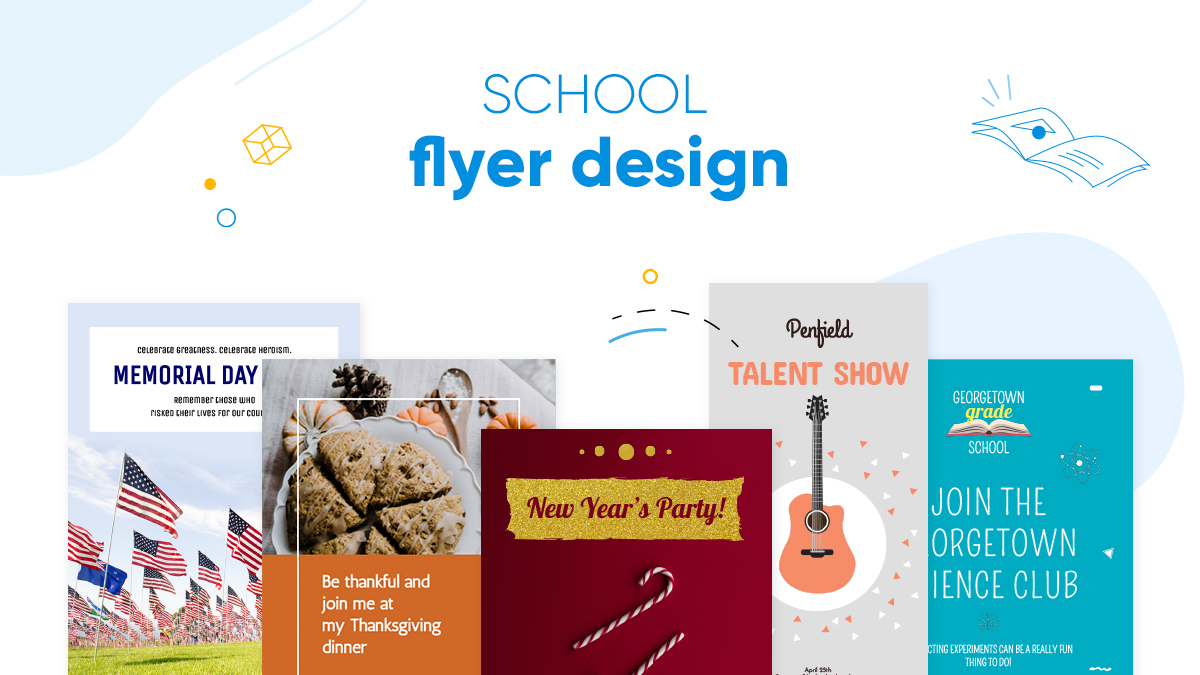
We understand the critical role that typography plays in creating impactful student flyers. Typography is more than just selecting a font or arranging text; it’s an art that can significantly influence the message and appeal of your flyers. Also, discover the power of typography in crafting attention-grabbing student flyers with our curated collection of flyer examples for students. The right choice of fonts and typography can significantly impact the effectiveness of your promotional materials. From bold and eye-catching headlines to clear and readable body text. In this article, we delve into the intricacies of typography and how you can leverage it to create stunning, eye-catching, and effective student flyers.
Why Typography Matters
Typography holds immense power in visual communication. It can make or break your flyer’s effectiveness, determining whether your message will be received and remembered by your target audience. Properly chosen fonts, sizes, and layouts can evoke emotions, establish brand identity, and enhance the overall reading experience.
Establishing a Visual Hierarchy
An essential aspect of typography is establishing a visual hierarchy within your student flyers. By using varying font sizes, weights, and colors, you can guide your readers through the content in a structured manner. This helps ensure that the most crucial information stands out and captures the reader’s attention instantly.
Conveying the Right Tone
Typography also aids in conveying the tone and personality of your message. Whether you want to come across as friendly and approachable or professional and authoritative, the choice of fonts can do wonders. For example, sans-serif fonts are often perceived as modern and straightforward, while script fonts can add elegance and sophistication.
Enhancing Readability
No matter how compelling your content is, if it’s not readable, it loses its impact. Typography plays a vital role in enhancing readability. Selecting appropriate font sizes, line spacing, and letter spacing can make a significant difference in how comfortably your audience can digest the information presented in your flyers.
Choosing the Right Fonts
Now that we understand the significance of typography, let’s explore the process of choosing the right fonts for your student flyers.
Understand Your Brand
Before diving into font options, it’s crucial to have a deep understanding of your brand identity. Consider your brand’s personality, values, and target audience. A whimsical font may be suitable for a children’s event, but it might not be the best fit for an academic conference. Stay true to your brand image when selecting fonts.
Limit the Number of Fonts
While it can be tempting to use a variety of fonts to make your flyer stand out, it’s best to limit the number of fonts used. A general rule of thumb is to stick to two or three complementary fonts—one for headings and another for body text. This creates a cohesive and visually appealing design.
Prioritize Readability
Remember that readability should be a top priority. Avoid using overly decorative or intricate fonts that may hinder the legibility of your text. Opt for fonts with clear and distinct letterforms that can be easily understood, even from a distance.
Typography in Practice
With the theoretical knowledge in place, let’s delve into practical tips for utilizing typography in your student flyers effectively.
Engaging Headlines
Your headline is the first point of contact with your audience. It needs to grab attention and compel readers to explore further. Use a bold and attention-grabbing font for your headline, making it larger than the body text to create a clear visual hierarchy.
Complementary Fonts
As mentioned earlier, stick to two or three complementary fonts. For instance, pair a bold and modern sans-serif font for headlines with a clean and legible serif font for the body text. This combination strikes a balance between impact and readability.
Use of White Space
White space, or negative space, is the area around your text that is left blank. Embrace white space in your student flyers to enhance readability and create a clean, uncluttered look. It allows the content to breathe and guides the reader’s eyes smoothly from one section to another.
Aligning Text Elements
Maintaining consistent alignment throughout your flyer adds a sense of order and professionalism. Whether you choose left, right, center, or justified alignment, make sure it remains consistent across all sections. Click here to read painting guides
Tips for Creating Stunning Student Flyers
Now that we’ve covered the significance of typography let’s touch on some additional tips to help you create stunning student flyers that are sure to make an impact.
High-Quality Images
Accompany your well-crafted typography with high-quality images that support your message. Visuals can reinforce your content and leave a lasting impression on your audience.
Color Scheme
Choose a cohesive color scheme that complements your typography. Colors have a psychological impact, so be mindful of the emotions they evoke. Stay consistent with your brand’s color palette to maintain brand recognition.
Clear Call-to-Action
Include a clear and compelling call to action to prompt your audience to take the desired action. Whether it’s registering for an event or visiting a website, the call-to-action should stand out and be easy to understand.
Conclusion
Typography is undoubtedly a powerful tool in creating impactful student flyers. By understanding its role in establishing visual hierarchy, conveying tone, and enhancing readability, you can design flyers that leave a lasting impression on your target audience.
Remember, the key is to align your typography choices with your brand identity and message. Limit the number of fonts used, prioritize readability, and embrace white space to create a clean and visually appealing design.


