
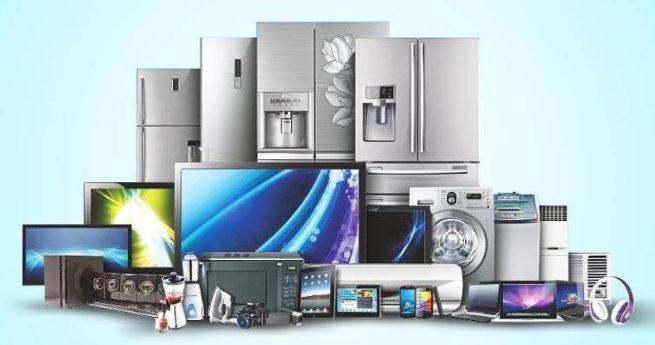
In today’s digital age, electronics have become an integral part of our daily lives, shaping how we communicate, work, entertain ourselves, and interact with the world around us. From smartphones and laptops to televisions and smart home devices, electronics encompass a vast array of devices and technologies that continue to evolve and innovate at a rapid pace. In this comprehensive guide, we’ll delve into the fascinating world of Electronics, exploring their history, impact, and the latest trends shaping the industry.
Understanding Electronics
What are Electronics?
Electronics refer to devices and systems that operate using the principles of electricity and electrical circuits. They include a wide range of consumer and industrial products, from simple electronic components such as resistors and capacitors to complex systems such as computers, smartphones, and advanced medical equipment.
Key Components of Electronics
Semiconductors: Semiconductors are materials with electrical conductivity between that of conductors and insulators. They form the basis of electronic components such as diodes, transistors, and integrated circuits, which are essential building blocks of electronic devices.
Circuit Boards: Circuit boards, also known as printed circuit boards (PCBs), are flat boards that support and connect electronic components using conductive pathways or traces etched onto their surfaces. They provide a platform for assembling and interconnecting electronic components to create functional electronic circuits.
Microprocessors: Microprocessors are central processing units (CPUs) or electronic chips that serve as the brain of electronic devices. They perform calculations, execute instructions, and manage data processing tasks, enabling the operation of computers, smartphones, and other digital devices.
Displays: Displays are electronic screens or panels that provide visual output for electronic devices. They come in various types, including liquid crystal displays (LCDs), organic light-emitting diode (OLED) displays, and light-emitting diode (LED) displays, used in devices such as smartphones, televisions, and digital signage.
Impact of Electronics
Technological Advancements
Electronics have driven significant technological advancements, revolutionizing industries such as telecommunications, computing, healthcare, and entertainment. Innovations such as smartphones, wireless communication technologies, and artificial intelligence have transformed how we communicate, access information, and conduct business in today’s interconnected world.
Economic Growth
The electronics industry plays a crucial role in driving economic growth and prosperity globally. It encompasses a wide range of businesses, including electronics manufacturing, semiconductor fabrication, consumer electronics, and software development, creating jobs, driving innovation, and contributing to GDP growth in countries around the world.
Societal Changes
Electronics have brought about profound societal changes, shaping how we live, work, and interact with one another. They have enabled remote work and virtual collaboration, facilitated access to education and healthcare services, and transformed entertainment and leisure activities through streaming platforms, gaming consoles, and virtual reality experiences.
Trends in Electronics
Internet of Things (IoT)
The Internet of Things (IoT) refers to the network of interconnected devices and sensors that collect, exchange, and analyze data to automate processes and improve efficiency. IoT technologies are being integrated into various applications, including smart homes, wearable devices, industrial automation, and smart cities, enabling greater connectivity and intelligence in everyday objects and environments, much like exploring Shopify alternatives for e-commerce solutions.
Artificial Intelligence (AI)
Artificial intelligence (AI) is revolutionizing electronics by enabling machines to learn from data, adapt to new inputs, and perform tasks that typically require human intelligence. AI technologies are being integrated into consumer electronics, robotics, autonomous vehicles, and healthcare devices, enhancing their capabilities and enabling new applications in areas such as natural language processing, computer vision, and predictive analytics.
Renewable Energy Technologies
Renewable energy technologies such as solar panels, wind turbines, and energy storage systems are transforming the electronics industry by providing clean and sustainable alternatives to traditional energy sources. These technologies are being integrated into electronic devices, power grids, and transportation systems, reducing reliance on fossil fuels and mitigating climate change.
Wearable Electronics
Wearable electronics, including smartwatches, fitness trackers, and augmented reality glasses, are gaining popularity as portable devices that provide real-time data and interactive experiences. Wearables are being used for health monitoring, fitness tracking, navigation, and immersive entertainment, blurring the line between digital and physical experiences.
Conclusion
Electronics are an integral part of our modern world, driving technological innovation, economic growth, and societal change. From smartphones and computers to IoT devices and AI-powered systems, electronics continue to shape how we live, work, and interact with the world around us. By understanding the key components of electronics, their impact on society, and the latest trends shaping the industry, we can better appreciate the role of electronics in shaping the future and driving progress in the digital age.


