
Introduction:
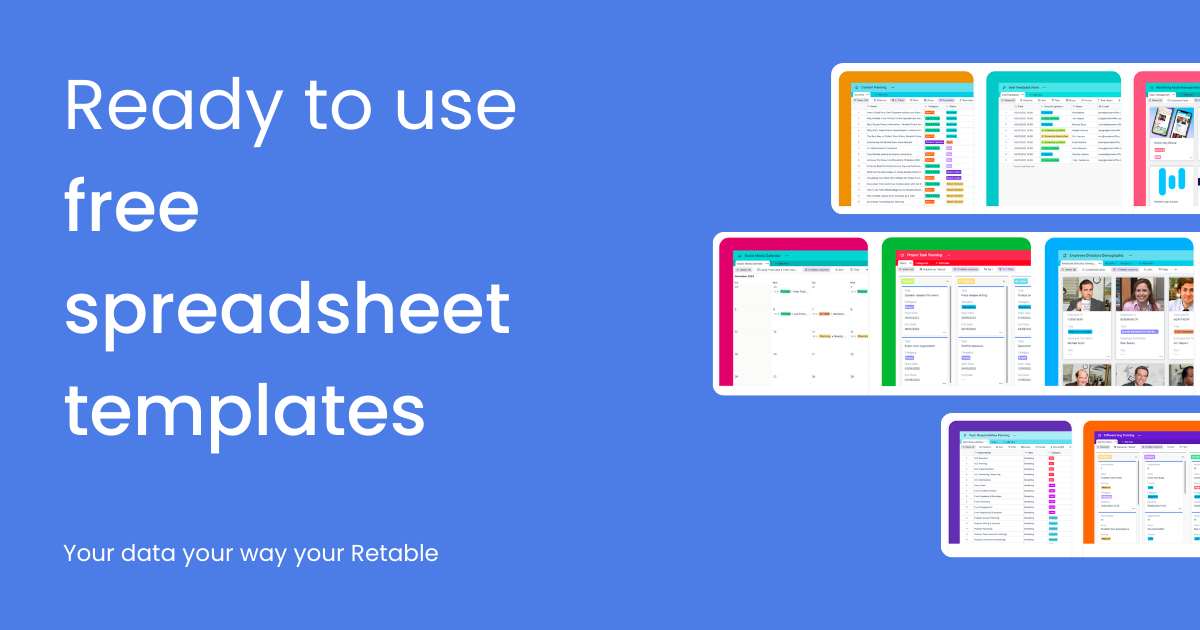
In the fast-paced digital age, where time is a precious commodity and the demand for creativity is unrelenting, free templates ready to usehave emerged as a revolutionary force. This article embarks on a comprehensive journey through the expansive landscape of these templates, exploring their impact on efficiency, versatility, and the transformation of creative processes in various domains.
Unveiling the Essence of Free Ready-to-Use Templates
The Core Concept:
At its core, the concept of free ready-to-use templates signifies a departure from traditional methods of document creation. No longer confined to starting from a blank canvas, individuals and businesses can leverage pre-designed templates tailored for specific purposes. This shift has brought about a paradigm change, unlocking new possibilities in efficiency and creativity.
Empowering the Non-Designers:
One of the remarkable aspects of free templates is their democratizing effect on design. Previously, creating visually appealing documents required design skills that not everyone possessed. With the advent of free templates, individuals without a design background can produce polished and professional-looking materials, bridging the gap between design experts and non-designers.
A Dive into the Extensive World of Free Templates
The Ubiquity of Platforms:
Online platforms have become the epicenter of the free template revolution. Websites such as Canva, Microsoft Office Online, and Adobe Spark host an extensive array of templates spanning across industries and purposes. The ubiquity of these platforms ensures that users, regardless of their geographic location or device preference, can access a wealth of templates at their fingertips.
Customization: A Key Feature:
While templates provide a structured foundation, customization is a key feature that empowers users to infuse their unique style and brand identity. From adjusting color schemes to incorporating logos, the ability to customize ensures that templates are versatile tools adaptable to a myriad of personal and professional needs.
Interactive Elements and Multimedia Integration:
The evolution of templates goes beyond static designs. Many platforms now offer templates with interactive elements and multimedia integration. This includes features like clickable buttons, embedded videos, and interactive charts, transforming templates from static documents into dynamic and engaging presentations.
The Cross-Industry Impact of Free Templates
Small Businesses and Startups:
For small businesses and startups operating with limited resources, free templates are invaluable. From creating eye-catching marketing materials to drafting business plans, these templates serve as a cost-effective solution, allowing entrepreneurs to allocate their budgets strategically while maintaining a professional image.
Educational Institutions and Students:
In the educational landscape, both teachers and students benefit from the availability of free templates. Teachers can streamline lesson planning and create visually engaging presentations, while students can elevate the presentation of their academic work. The use of templates fosters a more dynamic and visually stimulating learning environment.
Corporate Enterprises:
Corporate enterprises leverage free templates for various purposes, including internal communication, project management, and client presentations. The uniformity and professional appearance of templates align with corporate branding guidelines, ensuring a cohesive and polished image across diverse departments and teams.
A Deeper Dive into User Experience and Design Philosophy
User-Centric Design Philosophy:
The success of free templates lies in their adherence to a user-centric design philosophy. Platforms prioritize intuitive interfaces, drag-and-drop functionalities, and seamless navigation to enhance the user experience. The user-centric approach ensures that individuals, regardless of their technical proficiency, can leverage templates with ease.
Accessibility Across Devices:
With the increasing reliance on mobile devices, the accessibility of templates across different platforms is a crucial consideration. Leading template platforms prioritize responsive design, ensuring that users can create and edit documents seamlessly on desktops, tablets, and smartphones. This adaptability contributes to a fluid and uninterrupted user experience.
Feedback Mechanisms and Continuous Improvement:
User feedback plays a pivotal role in the evolution of free templates. Leading platforms actively seek input from users, encouraging them to provide feedback on features, usability, and the overall design. This iterative process of continuous improvement ensures that templates stay relevant, address user needs, and incorporate the latest design trends.
Navigating Challenges in the Template Ecosystem
Balancing Creativity and Uniformity:
While templates provide a convenient starting point, there’s a challenge in balancing creativity and avoiding uniformity. Users are encouraged to explore customization options, experiment with different templates, and inject their unique style to avoid a cookie-cutter approach. This balance ensures that templates remain tools for creative expression rather than constraints.
Quality Assurance and Credibility:
In the vast sea of templates, quality assurance becomes crucial. Users should exercise caution and choose templates from reputable sources to ensure credibility. Platforms with stringent quality control measures, user reviews, and verified templates contribute to a trustworthy ecosystem, safeguarding users from potential pitfalls.
Privacy and Data Security:
As users entrust their data to online platforms, privacy and data security are paramount. Leading template platforms implement robust security measures, including encryption and secure servers, to protect user information. Users are encouraged to review privacy policies, understand data usage terms, and choose platforms that prioritize the security of their information.
Emerging Trends and Future Possibilities
Artificial Intelligence Integration:
The integration of artificial intelligence (AI) into template platforms is an exciting trend shaping the future. AI-driven features such as automated content suggestions, intelligent design recommendations, and predictive customization elements have the potential to revolutionize the template creation process, making it more intuitive and tailored to individual needs.
Augmented Reality and Virtual Reality Templates:
As technology advances, the incorporation of augmented reality (AR) and virtual reality (VR) elements into templates is on the horizon. Imagine immersive presentations where users can interact with 3D models or experience virtual walkthroughs. The integration of AR and VR has the potential to elevate the template experience to new heights.
Blockchain for Template Authenticity:
Blockchain technology may play a role in ensuring the authenticity and origin of templates. Blockchain can be used to create tamper-proof records of template creation and modifications, providing users with assurance regarding the source and integrity of the templates they use. This innovation aligns with the growing emphasis on transparency in the digital landscape.
Strategies for Optimizing Template Utilization
Continuous Learning and Skill Development:
To maximize the potential of free ready-to-use templates, users are encouraged to engage in continuous learning. Platforms often provide tutorials, webinars, and resources to enhance user skills in template customization, design principles, and advanced features. Investing time in skill development ensures users can leverage templates to their fullest extent.
Collaboration and Teamwork:
Collaboration amplifies the power of templates. Users can benefit from collaborating with team members, sharing ideas, and collectively working on templates. Platforms that support real-time collaboration, feedback mechanisms, and version control enhance teamwork, leading to more refined and polished final documents.
Experimentation and Innovation:
Templates are not static; they are starting points for creative exploration. Users are encouraged to experiment with different templates, customization options, and design elements. Innovation thrives when individuals push the boundaries of templates, creating unique and novel outputs that stand out in a sea of digital content.
Conclusion: Revolutionizing Creativity and Efficiency
In conclusion, free ready-to-use templates have ushered in a new era of efficiency and creativity. From empowering non-designers to transforming workflows across industries, these templates have become indispensable tools in the digital toolkit. As we navigate challenges, embrace emerging trends, and optimize our utilization strategies, the potential for innovation and expression within the template ecosystem is limitless.
In the quest for efficiency and creativity, free templates stand as beacons, guiding users towards a future where the barriers to design are dismantled, and the potential for expression is democratized. So, dive into this revolution, explore the boundless possibilities of free ready-to-use templates, and unleash your creativity in the dynamic world of digital design.