
In today’s fast-paced world, where our lives are intricately intertwined with technology, a power outage can bring our daily routines to a grinding halt. From keeping our homes well-lit and comfortable to ensuring that essential appliances continue to function, a reliable backup power source is indispensable. This is where home generators come into play, offering a lifeline during unexpected blackouts. However, with a myriad of options available in the market, finding the perfect Best Home Generators tailored to your specific needs can be a daunting task. In this comprehensive guide, we’ll delve into expert insights to help you navigate the complexities of selecting the ideal home generator.
Understanding Your Power Requirements
Before embarking on the journey of choosing a home generator, it’s essential to understand your power requirements thoroughly. Start by making a comprehensive list of the essential appliances and devices you would need to power during an outage. This may include lights, refrigerators, heating or cooling systems, sump pumps, medical equipment, and communication devices. Calculate the total wattage needed to run these appliances simultaneously to determine the generator size required for your home. Additionally, consider any specific power needs unique to your household, such as the use of sensitive electronic equipment that requires stable power supply.
Types of Home Generators
Standby Generators
Standby generators are the pinnacle of backup power solutions for homeowners seeking seamless and uninterrupted electricity supply during outages. These units are permanently installed outside the home and are directly connected to the electrical system. Standby generators automatically detect a power outage and kick in within seconds, providing continuous power until utility power is restored. They are typically fueled by natural gas or propane, offering convenience and reliability without the need for manual intervention. Standby generators are ideal for homeowners who prioritize convenience and hands-free operation.
Portable Generators
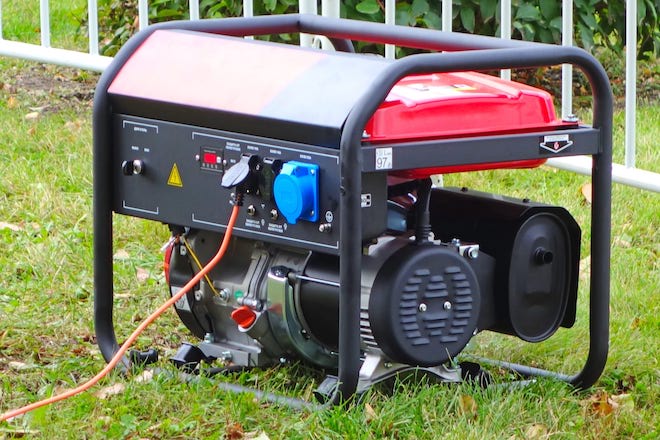
Portable generators offer versatility and mobility, making them suitable for homeowners who require backup power on the go. These units can be easily moved around and are typically powered by gasoline, propane, or diesel fuel. Portable generators must be manually started during power outages and connected to essential appliances using extension cords. While they offer flexibility, portable generators may require regular maintenance and careful refueling. They are ideal for homeowners who prioritize portability and temporary backup power solutions.
Inverter Generators
Inverter generators combine advanced technology with fuel efficiency to deliver clean and stable power, making them ideal for sensitive electronic devices. These generators use inverters to convert DC power into AC power, resulting in smoother and more consistent electricity output. Inverter generators are known for their compact size, quiet operation, and fuel efficiency, making them suitable for residential use. They are available in both portable and standby configurations, offering homeowners a reliable backup power solution tailored to their specific needs.
Key Considerations When Choosing a Home Generator
Power Output and Capacity
The power output of a generator is measured in watts and determines the number and types of appliances it can support. Assess your power requirements carefully and choose a generator with sufficient capacity to meet your needs. Consider the starting wattage and running wattage of your appliances, as some devices may require additional power during startup. It’s advisable to opt for a generator with slightly higher wattage capacity to accommodate potential power surges and future additions to your electrical load.
Fuel Type and Availability
Different home generators run on various fuel types, including gasoline, propane, natural gas, and diesel. Consider the availability of fuel sources in your area and choose a generator that aligns with your preferences and accessibility. Propane and natural gas are popular choices for standby generators due to their convenience and reliability, while gasoline and diesel are common options for portable generators. Evaluate the fuel consumption and runtime of the generator to ensure it can sustain your power needs during extended outages.
Automatic Transfer Switch
An automatic transfer switch is a crucial component of standby generators, as it automatically transfers power from the utility grid to the generator during an outage. This seamless transition prevents power surges and ensures uninterrupted electricity supply to your home. When selecting a standby generator, ensure it comes with a reliable automatic transfer switch compatible with your electrical system. Additionally, consider the transfer switch’s load shedding capabilities, which prioritize critical circuits during power outages.
Noise Level and Environmental Impact
Generators can produce significant noise during operation, which may be a concern for homeowners living in residential areas. Inverter generators are known for their quiet operation, making them suitable for noise-sensitive environments. Consider the noise level of the generator and choose a model that meets your requirements for peaceful operation. Additionally, evaluate the environmental impact of the generator, including emissions and fuel efficiency, to minimize its carbon footprint.
Installation and Maintenance
Professional Installation
Standby generators require professional installation to ensure proper placement, wiring, and connection to your home’s electrical system. Hire a licensed electrician or generator installer to assess your property and install the generator according to local building codes and regulations. Proper installation is crucial for optimal performance and safety, ensuring that the generator operates seamlessly during emergencies.
Regular Maintenance
Like any mechanical equipment, Best Home Generators require regular maintenance to ensure reliable operation during emergencies. Perform routine maintenance tasks such as oil changes, filter replacements, and battery checks as recommended by the manufacturer. Additionally, schedule annual inspections by a qualified technician to identify and address any potential issues proactively. Regular maintenance not only extends the lifespan of the generator but also ensures that it remains in peak condition to meet your power needs when it matters most.
Conclusion
Choosing the perfect home generator requires careful consideration of your power requirements, generator types, essential features, and installation requirements. By understanding your needs and evaluating the available options, you can empower your home with a reliable backup power solution tailored to your specific requirements. Whether you opt for a standby, portable, or inverter generator, investing in reliable backup power provides peace of mind and security for you and your family. With the expert insights provided in this guide, you can navigate the complexities of selecting the ideal home generator with confidence, ensuring that you are well-prepared to weather any power outage that comes your way.


