
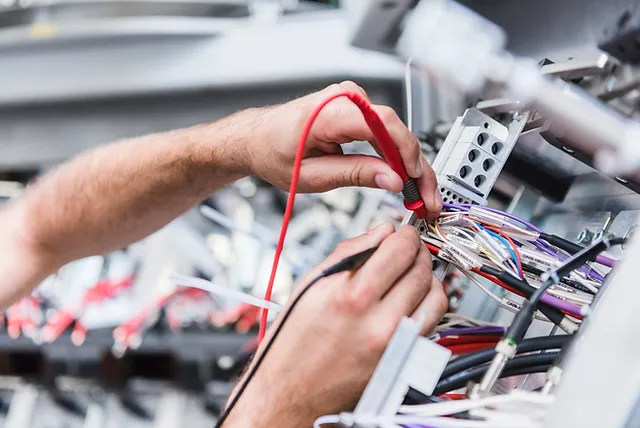
Becoming an electrician is a rewarding career path that offers stability, opportunities for growth, and the chance to work with your hands in a dynamic field. Electricians play a crucial role in installing, maintaining, and repairing electrical systems in various settings, from residential homes and commercial buildings to industrial facilities and construction sites. If you’re considering a career as an electricians, this step-by-step guide will outline the necessary steps to help you get started on your journey.
Research the Electrician Profession
Before embarking on your journey to become an electrician, it’s essential to research the profession thoroughly. Familiarize yourself with the responsibilities, duties, and requirements of the job to ensure it aligns with your interests, skills, and career goals. Take the time to explore different specialties within the electrical trade, such as residential, commercial, or industrial electrician, to determine which path is right for you.
Obtain a High School Diploma or GED
A high school diploma or General Educational Development (GED) certificate is typically required to pursue a career as an electrician. Focus on taking courses in math, science, and technical subjects, as these subjects provide a solid foundation for understanding electrical principles and concepts. Additionally, consider participating in vocational training programs or extracurricular activities related to the electrical field to gain practical experience and skills.
Enroll in an Electrician Training Program
Once you’ve obtained your high school diploma or GED, the next step is to enroll in an electrician training program. There are several options available, including apprenticeship programs, technical schools, community colleges, and vocational training centers. Choose a program that is accredited by relevant industry organizations and provides comprehensive instruction in electrical theory, code requirements, safety practices, and hands-on skills development.
Complete an Apprenticeship Program
One of the most common paths to becoming an electrician is through an apprenticeship program. Apprenticeships combine on-the-job training with classroom instruction, allowing aspiring electricians to learn the trade while earning a wage. Apprentices work under the supervision of experienced electricians, gaining practical experience and skills in installing, troubleshooting, and repairing electrical systems. Apprenticeship programs typically last four to five years and culminate in a journeyman electrician license.
Gain Practical Experience and Skills
During your apprenticeship, focus on gaining practical experience and honing your skills in various aspects of the electrical trade. Take advantage of opportunities to work on different types of projects, from residential wiring and lighting installations to commercial and industrial electrical systems. Ask questions, seek feedback from experienced electricians, and take initiative to learn new techniques and technologies.
Obtain Required Licenses and Certifications
In most jurisdictions, electricians are required to obtain licenses or certifications to practice legally. The specific requirements vary depending on the location and type of electrical work performed. After completing your apprenticeship, you may need to pass a journeyman electrician exam and fulfill other requirements, such as completing continuing education courses or demonstrating a certain number of hours of practical experience. Additionally, consider pursuing certifications from professional organizations, such as the National Electrical Contractors Association (NECA) or the International Association of Electrical Inspectors (IAEI), to enhance your credentials and marketability.
Stay Informed and Up-to-Date
The field of electrical work is constantly evolving, with new technologies, codes, and regulations shaping the industry. As a professional electrician, it’s essential to stay informed and up-to-date on the latest developments in the field. Take advantage of continuing education opportunities, industry seminars, and workshops to expand your knowledge and skills. Additionally, consider joining professional organizations and networking with fellow electricians to stay connected and informed about industry trends and best practices.
Consider Specializing or Advancing Your Career
Once you’ve gained experience and established yourself as a competent electrician, consider exploring opportunities for specialization or career advancement. Specializing in a specific area of the electrical trade, such as renewable energy systems, home automation, or commercial installations, can open up new opportunities and increase your earning potential. Additionally, consider pursuing further education or certifications to advance your career, such as becoming a master electrician, electrical contractor, or electrical engineer.
Build a Professional Network and Reputation
Networking is essential for building a successful career as an electrician. Take the time to network with fellow electricians, industry professionals, and potential clients to expand your professional network and build relationships. Consider joining industry associations, attending trade shows, and participating in community events to connect with others in the field. Additionally, focus on providing high-quality workmanship, excellent customer service, and maintaining a positive reputation to attract clients and opportunities for advancement.
Stay Committed to Professional Growth and Development
Finally, remember that becoming an electricians is a journey, not a destination. Stay committed to ongoing professional growth and development by continuously seeking out new opportunities to learn and improve your skills. Embrace challenges, adapt to changes in the industry, and remain open to new possibilities for career advancement and personal fulfillment. By staying proactive, resilient, and dedicated to excellence, you can build a rewarding and successful career as an electrician.
Conclusion
Becoming an electrician requires dedication, hard work, and a commitment to lifelong learning. By following these steps and investing in your education, training, and professional development, you can embark on a fulfilling career in the electrical trade. Whether you choose to pursue an apprenticeship, enroll in a training program, or gain practical experience through hands-on work, the journey to becoming an electrician offers endless opportunities for growth, success, and making a meaningful impact in your community.


