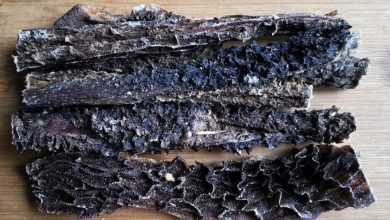
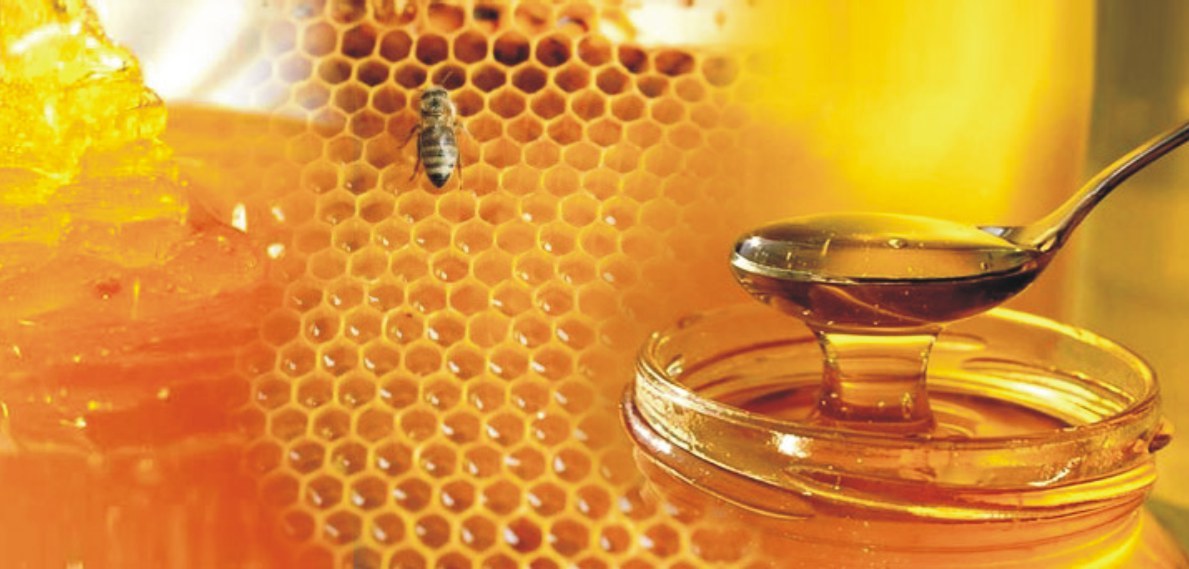
Nature, in its raw and untouched form, often produces treasures that captivate both the senses and the imagination. One such gift is wild honey – a product of bees collecting nectar from various uncultivated flowers, creating a unique blend of flavors and benefits. In this exploration, we delve into the untamed sweetness, unraveling the richness it brings to our palates and the numerous health benefits that make it a sought-after natural elixir.
The Diversity of Wild Honey:
1. Origins in Biodiverse Habitats:

It is a product of the diverse landscapes found around the world. Unlike commercially produced honey that often comes from monoculture crops, it is sourced from bees foraging in diverse ecosystems, such as forests, meadows, and mountains. This diversity in vegetation gives wild honey a complex flavor profile that reflects the myriad flowers the bees visit.
2. Floral Variations:
One of the most intriguing aspects of wild honey is its ever-changing flavor profile. As bees collect nectar from a wide range of flowers, the resulting honey can have a medley of floral notes, ranging from delicate and light to bold and robust. Each batch of honey is a unique blend, reflecting the distinct characteristics of the local flora.
3. Regional Distinctions:
It showcases the terroir of its origin, much like wine. The geographical location, climate, and vegetation of an area influence the taste and aroma of the honey. This regional distinctiveness adds to the allure, with each jar telling a story of the land from which it hails.
Health Benefits:
1. Rich in Antioxidants:
Wild honey, with its diverse floral sources, is packed with a wide range of antioxidants.
2. Natural Immune Booster:
The antibacterial and antiviral properties of honey contribute to its effectiveness as a natural immune booster. Regular consumption may help the body fend off infections and support overall immune system health.
3. Wound Healing Properties:
Throughout history, honey has been used topically for wound healing. Wild honey, with its potent antimicrobial properties, can aid in the healing of cuts, burns, and other skin injuries. The honey creates a protective barrier against infection while promoting tissue regeneration.
4. Digestive Health:
It contains enzymes that support the digestion and absorption of nutrients. It may help alleviate common digestive issues, such as indigestion and bloating. Additionally, the prebiotics in honey promote the growth of beneficial gut bacteria, contributing to a healthy digestive system.
5. Energy Boost:
The natural sugars present in wild honey, predominantly fructose and glucose, provide a quick and sustained energy boost. This makes it an excellent choice for a natural sweetener, offering a healthier alternative to refined sugars.
Cultural Significance and Traditional Uses:
1. Culinary Delight:
It’s unique flavor makes it a prized ingredient in culinary traditions around the world. From drizzling it over artisanal cheeses to incorporating it into marinades and dressings, wild honey adds a depth of flavor that enhances various dishes.
2. Ceremonial and Ritualistic Uses:
Many cultures attribute special significance to honey in their traditions. It has been used in rituals, ceremonies, and celebrations, symbolizing sweetness, prosperity, and good fortune. In some cultures, honey is believed to have spiritual qualities and is used in offerings and religious ceremonies.
3. Folk Remedies:
Folk medicine often turns to wild honey for its perceived healing properties. It has been used in traditional remedies for ailments ranging from sore throats and coughs to skin conditions and allergies. The rich cultural tapestry of honey’s traditional uses adds a layer of depth to its modern reputation as a superfood.
Sustainable Harvesting Practices:
Sustainability is crucial in the production of wild honey to ensure the health of ecosystems and the well-being of the bees. Beekeepers practicing sustainable methods focus on:
1. Preserving Biodiversity:
Sustainable beekeeping involves maintaining diverse landscapes to provide a variety of flowers for bees to forage. This helps protect the natural habitats and ensures the health of both the bees and the environment.
2. Avoiding Harmful Practices:
Sustainable beekeepers refrain from using harmful chemicals or pesticides that can harm bees and contaminate honey. This commitment to natural practices preserves the integrity of wild honey as a pure and wholesome product.
3. Supporting Bee Health:
Sustainable beekeeping prioritizes the health and well-being of bee colonies. Practices such as providing ample forage, avoiding over-harvesting, and using responsible hive management techniques contribute to the longevity and vitality of bee populations.
Conclusion:
Wild honey stands as a testament to the untamed beauty of nature and the intricate dance between bees and diverse ecosystems. Its rich flavors, diverse origins, and myriad health benefits make it a treasure worth savoring. As consumers increasingly seek authentic and sustainable food choices, it emerges as a symbol of purity and a connection to the wild. With each spoonful, we not only indulge in the delightful sweetness of nature but also partake in a tradition that spans cultures, generations, and the untamed landscapes that produce this liquid gold.