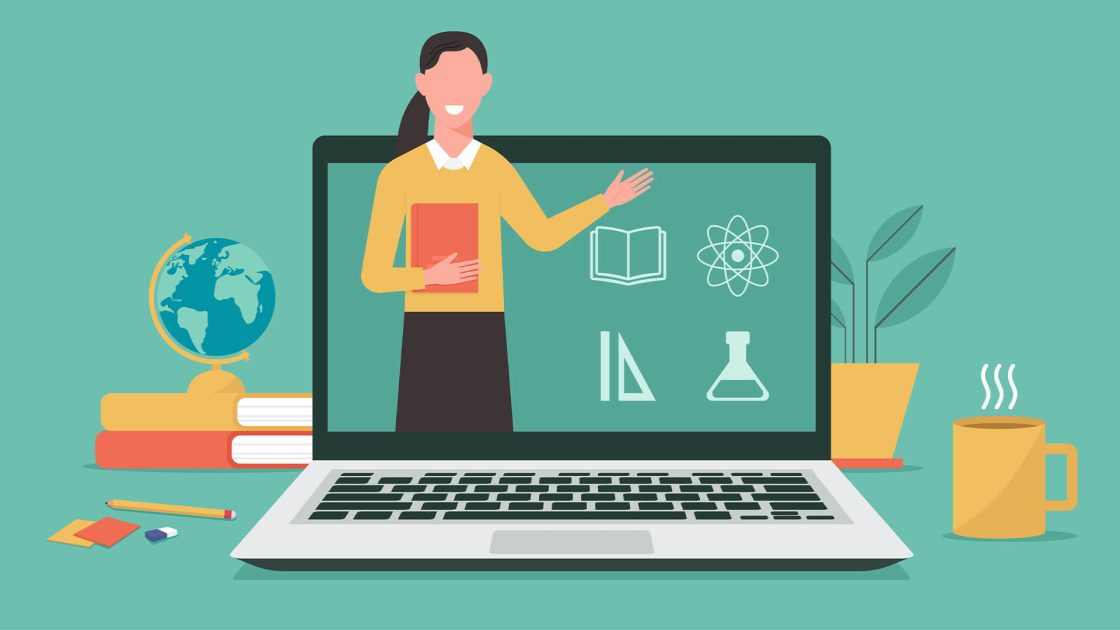
Teaching is a dynamic profession that requires educators to be equipped with a diverse range of resources to effectively engage students, facilitate learning, and foster academic success. A well-equipped teacher’s toolkit includes a variety of materials, strategies, and technologies that support instructional goals and meet the diverse needs of learners. In this article, we will explore essential tools for teaching, covering everything from traditional teaching aids to cutting-edge digital tools.
Understanding the Teacher’s Toolkit
The teacher’s toolkit encompasses a collection of resources that educators use to plan, deliver, and assess instruction. These resources support various aspects of teaching, including content delivery, student engagement, assessment, and classroom management. A well-stocked teacher’s toolkit allows educators to adapt their teaching to meet the needs of diverse learners, create dynamic and engaging learning experiences, and achieve positive learning outcomes.
Essential Resources for Effective Teaching
Textbooks and Curriculum Materials:
Textbooks and curriculum materials serve as foundational resources for teaching core academic subjects. These resources provide educators with structured content and instructional support, helping them deliver comprehensive and standards-aligned instruction.
Digital Platforms and Learning Management Systems:
Digital platforms and learning management systems (LMS) offer educators a centralized hub for delivering content, managing assignments, and facilitating communication with students. These platforms provide opportunities for online collaboration, assessment, and feedback, enhancing the learning experience for both educators and students.
Interactive Whiteboards and Display Technologies:
Interactive whiteboards and display technologies transform traditional teaching methods by providing dynamic and interactive learning experiences. Educators can engage students through multimedia-rich presentations, interactive activities, and real-time annotation, fostering active participation and understanding.
Educational Apps and Software:
Educational apps and software offer a wealth of interactive learning experiences across various subjects and topics. From math and science simulations to language arts games and coding platforms, these apps provide students with opportunities to practice skills, explore concepts, and reinforce learning in engaging ways.
Multimedia Resources and Digital Content:
Multimedia resources and digital content enrich the learning experience by providing students with access to diverse and engaging materials. Educators can incorporate videos, podcasts, interactive simulations, and digital texts into their instruction to enhance understanding and promote critical thinking.
Manipulatives and Hands-On Learning Materials:
Manipulatives and hands-on learning materials provide students with tangible objects and tools to explore abstract concepts and develop problem-solving skills. From blocks and counters to models and kits, these materials support experiential learning and deepen understanding.
Assessment Tools and Rubrics:
Assessment tools and rubrics help educators evaluate student progress and understanding. These tools provide clear criteria for assessing student work and provide feedback to guide future instruction and support student growth.
Differentiated Instruction Strategies:
Differentiated instruction strategies cater to the diverse learning needs and styles of students. Educators can vary content, process, and product to meet the individual needs of learners, ensuring that all students have opportunities to succeed and excel in their learning.
Project-Based Learning and Inquiry-Based Activities:
Project-based learning and inquiry-based activities engage students in hands-on, real-world projects that promote critical thinking, creativity, and collaboration. By working on authentic tasks and solving meaningful problems, students develop essential skills and knowledge while fostering a deeper understanding of content.
Peer Collaboration and Cooperative Learning Structures:
Peer collaboration and cooperative learning structures foster teamwork, communication, and problem-solving skills among students. Educators can facilitate group work, peer tutoring, and collaborative projects to promote active engagement and support social-emotional learning.
Strategies for Effective Use of Resources
Align Resources with Learning Objectives:
Ensure that resources align with learning objectives and support instructional goals. Select materials that are relevant, engaging, and accessible to students, and adapt instruction as needed to meet the diverse needs of learners.
Provide Professional Development and Training:
Offer professional development opportunities and training sessions to help educators become familiar with new resources and tools. Provide ongoing support and resources to help educators integrate these tools into their teaching practice effectively.
Foster Collaboration and Sharing:
Foster a culture of collaboration among educators by providing opportunities for peer learning and sharing. Encourage educators to share ideas, strategies, and best practices for integrating resources and tools into their practice.
Incorporate Student Voice and Choice:
Involve students in the selection and evaluation of resources and tools to ensure that they meet their needs and interests. Encourage students to provide feedback and suggestions for how resources and tools can enhance their learning experiences.
Monitor and Evaluate Effectiveness:
Monitor the effectiveness of resources and tools for teaching in supporting student learning and achievement. Collect data, gather feedback from students and colleagues, and make adjustments as needed to optimize teaching and learning outcomes.
Conclusion
A well-equipped teacher’s toolkit is essential for effective teaching and student learning. By leveraging a variety of resources, educators can create dynamic and engaging learning experiences that meet the diverse needs of learners and foster academic success. As educators continue to explore new possibilities and innovations in teaching and learning, let us embrace the opportunities that resources offer to empower educators and enrich the learning experiences of students. Together, we can build a brighter future for education, one resource at a time.


