
How impactful is an employee’s wellbeing?
The well-being of employees has emerged as a crucial factor influencing organizational success. This Comprehensive approach to employees welfare not only fosters a conducive work environment but also profoundly influences the overall employee experience and organizational performance.
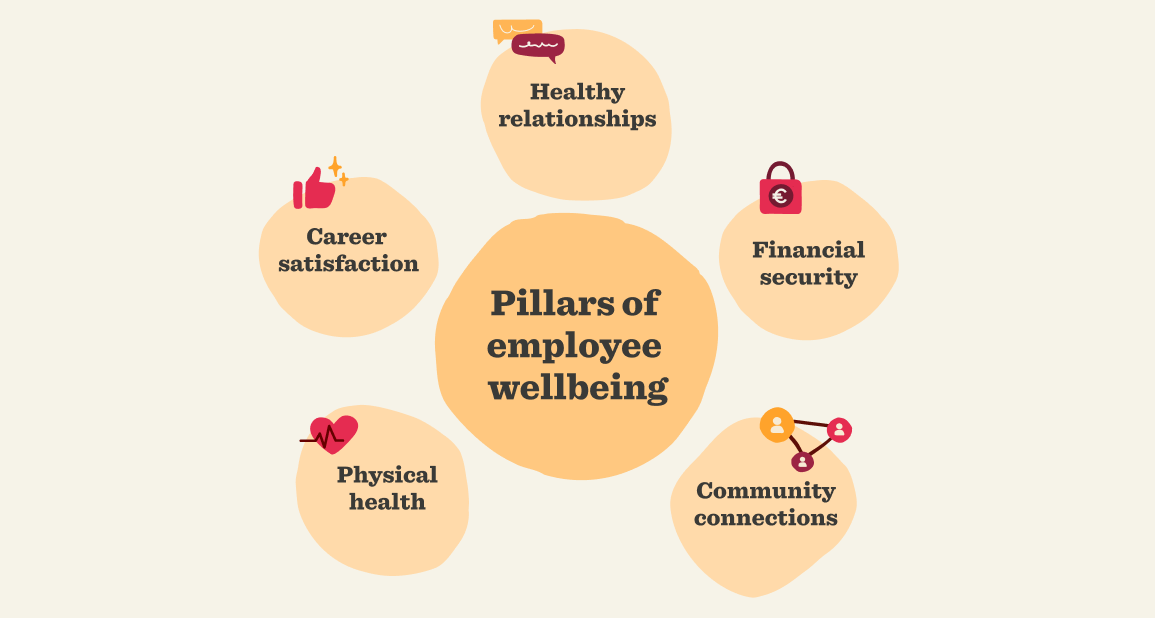
Employee well-being encompasses various dimensions, including physical, mental, and emotional health. It involves providing a supportive work environment that promotes work-life balance and offers resources for managing stress and maintaining overall wellness. When employees feel physically and mentally healthy, they are more likely to be engaged, productive, and satisfied with their work.
How does the employee’s well-being influence the workforce?
One of the key ways in which employee well-being influences the overall employee experience is through engagement. Engaged employees are those who feel a strong connection to their work, are motivated to contribute their best efforts, and have a sense of fulfillment in their roles. When employees are well-supported in terms of their well-being and when they are being recognized for their work and effort, they are more likely to feel engaged and committed to their work and the organization as a whole.
Furthermore, the impact of employee well-being extends to job satisfaction. Those who feel valued and supported in their well-being pursuits are more likely to express higher levels of satisfaction with their roles and organizational environment. This heightened satisfaction not only contributes to employee retention but also fosters a workforce characterized by loyalty and dedication, thereby fueling organizational success.
How can Employers help?
Employers can prioritize communication and transparency to support employee well-being. Regular check-ins with employees to assess their well-being, solicit feedback, and address concerns can foster a sense of trust and belonging. Transparent communication about organizational changes, goals, and expectations helps employees feel informed and engaged, contributing to their overall well-being and satisfaction.
They can empower employees to take ownership of their well-being by providing resources and support for personal and professional development. Whether through training programs, mentorship opportunities, or Employee well-being surveys, organizations can help employees cultivate the skills and resilience needed to navigate challenges and thrive in their roles.
Investing in employee well-being not only benefits individual employees but also yields significant returns for the organization as a whole. Companies that prioritize employee well-being experience higher levels of employee engagement, job satisfaction, and performance, ultimately leading to increased profitability and competitiveness in the marketplace.
In conclusion, the impact of employee well-being on the overall employee experience and organizational performance cannot be overstated. By prioritizing employee well-being, organizations can create a supportive work environment where employees feel valued, engaged, and motivated to perform at their best. In doing so, they not only enhance the well-being of their workforce but also position themselves for long-term success in today’s dynamic business landscape.
Embracing employee well-being isn’t just a strategic move—it’s a testament to an organization’s commitment to fostering a thriving workplace where individuals flourish and collective achievements soar. As organizations continue to navigate the complexities of the modern workplace, prioritizing employee well-being remains a cornerstone for sustained growth, resilience, and prosperity.