

Regular grooming helps the rabbits prevent health issues such as fur matting, overgrown nails, and ear infections. This guide will provide you with practical tips and techniques to ensure your rabbit stays clean, healthy, and happy.
“Grooming your rabbit is essential for maintaining its health, comfort, and overall well-being.” – writes Wassam, a Lifelong Rabbit Lover and expert in Bunny Vault’s article How to Groom your Rabbit.
Understanding Your Rabbit’s Coat
Rabbits have different types of coats depending on their breed. Some have short, smooth fur, while others have long, dense, or even wool-like fur. Understanding the type of coat your rabbit has will help you determine the best grooming methods and frequency.
Brushing Your Rabbit
1. Choose the Right Brush
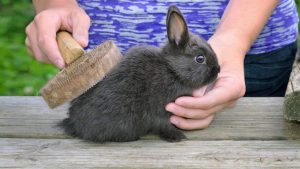
Selecting the right brush for your rabbit’s coat type is crucial. For short-haired rabbits, a soft-bristled brush or grooming mitt is usually sufficient. For long-haired breeds, such as Angoras or Lionheads, a slicker brush or a comb designed for detangling can help manage their dense fur.
2. Establish a Routine
Brushing should be done regularly to remove loose fur and prevent matting. Short-haired rabbits typically need brushing once a week, while long-haired breeds may require daily grooming. Establishing a routine helps your rabbit get used to being handled and reduces stress during grooming sessions.
3. Be Gentle
Rabbits have delicate skin, so it’s important to be gentle while brushing. Use slow, smooth strokes and avoid tugging on knots or mats. If you encounter a stubborn mat, use a detangling spray or carefully trim it out with scissors, ensuring you don’t cut the skin.
Nail Trimming
1. Gather the Right Tools
You’ll need a pair of small animal nail clippers or a guillotine-style clipper, styptic powder (in case of bleeding), and a towel to wrap your rabbit in for better control.
2. Find the Quick
Rabbits have a vein called the quick running through their nails. Cutting into the quick can cause bleeding and pain. For light-colored nails, the quick is visible as a pinkish area. For dark nails, use a small flashlight to help locate the quick.
3. Trim Carefully
Hold your rabbit securely, either in your lap or wrapped in a towel. Trim only the tip of the nail, avoiding the quick. If you accidentally cut the quick, apply styptic powder to stop the bleeding.
Ear Cleaning
1. Inspect Regularly
Check your rabbit’s ears regularly for signs of wax buildup, debris, or infection. Healthy ears should be clean and free of odor.
2. Clean Gently
If you notice wax or debris, moisten a cotton ball or a soft cloth with a rabbit-safe ear cleaning solution. Gently wipe the inside of the ear, avoiding the ear canal. Never use cotton swabs, as they can push debris further into the ear or cause injury.
Dental Care
1. Provide Chew Toys
Rabbits’ teeth grow continuously, so providing plenty of chew toys helps keep their teeth worn down and prevents dental issues. Wooden toys, hay, and untreated apple branches are great options.
2. Check Teeth Regularly
Inspect your rabbit’s teeth for overgrowth, misalignment, or signs of infection. If you notice any dental issues, consult your veterinarian for proper treatment.
Bathing Your Rabbit
Rabbits generally do not need baths, as they are very good at grooming themselves. Bathing can cause stress and can lead to health problems if not done properly. If your rabbit gets dirty, use a damp cloth to spot-clean the affected area.
General Tips
1. Be Patient
Grooming sessions should be calm and positive experiences. Be patient and take breaks if your rabbit becomes stressed or agitated.
2. Reward Your Rabbit
Reward your rabbit with treats and praise after grooming to create a positive association with the process.
3. Consult Your Veterinarian
If you’re unsure about any aspect of grooming or notice any health issues, consult your veterinarian. They can provide guidance and assistance with grooming tasks.