
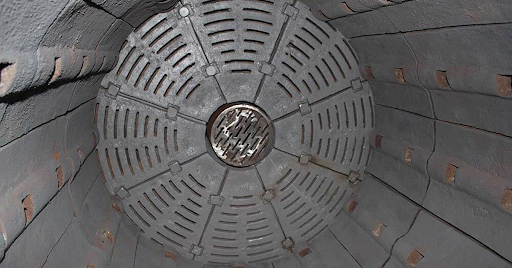
Ball mills are widely used in industries such as mining, cement, and manufacturing to grind materials into fine powders. The performance and efficiency of these mills heavily depend on the quality of the ball mill liner. A ball mill liner is a protective coating that lines the inner surface of the mill drum, helping to extend its lifespan while enhancing grinding efficiency. This article explores the role of ball mill liners, the materials used, and how they contribute to optimized grinding processes.
The Role of Ball Mill Liners
Ball mill liners serve several critical functions within the grinding process. Primarily, they protect the mill shell from wear and tear caused by constant friction between the grinding media and the material being processed. Additionally, they facilitate the grinding process by increasing the motion of the grinding media and improving the overall efficiency of the mill.
Liners can also impact the grinding environment by controlling the flow of material through the mill. Their design influences the milling action, affecting the rate of size reduction and the distribution of forces within the mill. A well-designed Ball Mill Liner can lead to more efficient grinding, reduced energy consumption, and less wear on the mill’s components.
Types of Ball Mill Liners
Ball mill liners come in various types, each designed to meet specific operational requirements. The most common types include:
- High-Manganese Steel Liners
High-manganese steel is often used for liners due to its excellent toughness and resistance to wear. These liners are ideal for mills processing hard minerals and ores, offering superior performance in terms of durability and lifespan. - Rubber Liners
Rubber ball mill liners are lightweight and flexible, offering an excellent alternative to steel in certain applications. Rubber liners are resistant to corrosion and abrasion, making them suitable for industries where the material being processed is abrasive yet not too hard. They also help reduce noise during milling. - Composite Liners
Combining the best features of both metal and rubber, composite liners offer a blend of durability and flexibility. These liners are designed to optimize the benefits of both materials, offering a balance between wear resistance and reduced operating costs. - Ceramic Liners
In applications where non-metallic grinding is required, ceramic liners provide high resistance to both wear and corrosion. They are commonly used in industries where contamination from metals must be avoided, such as in the production of certain chemicals or food products.
Key Benefits of Ball Mill Liners
The right ball mill liner provides several key advantages that enhance the overall grinding process and reduce operational costs:
- Improved Grinding Efficiency
A properly designed liner can significantly improve the grinding efficiency of the mill. It helps to distribute the energy generated within the mill evenly across the material, resulting in a more consistent particle size distribution. - Extended Mill Life
Ball mill liners protect the mill’s shell from direct contact with the grinding media and materials, thus preventing premature wear. The extended lifespan of the liner reduces downtime, which can be costly and disruptive in high-volume production environments. - Reduced Noise and Vibration
Liners, especially rubber and composite types, help absorb the impact energy during grinding, reducing the noise and vibration levels. This is especially beneficial in environments where noise reduction is a priority. - Enhanced Material Flow
The design of the liner influences the flow of materials within the mill. A well-designed liner ensures that the material is transported efficiently through the mill, leading to better processing and more uniform grinding.
Selecting the Right Ball Mill Liner
Choosing the right ball mill liner is crucial for optimizing grinding performance. Factors such as the material being processed, the desired particle size, and the specific operating conditions of the mill should all be considered when selecting a liner.
In addition to the material of the liner, the design of the liner should also be carefully chosen. The shape, pattern, and arrangement of the liners can all affect the movement of the grinding media and the material inside the mill, influencing the overall grinding efficiency.
Conclusion
Ball mill liners play a vital role in ensuring the efficient and effective operation of grinding mills. By protecting the mill shell and improving the movement of the grinding media, they help optimize grinding performance, reduce energy consumption, and extend the life of the mill. Understanding the different types of ball mill liners and their benefits is essential for selecting the right liner for a specific application, ultimately contributing to more efficient and cost-effective milling operations.


