
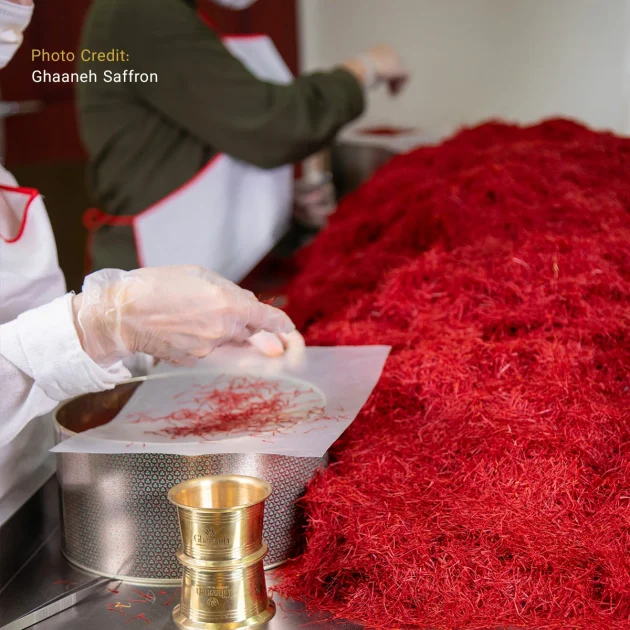
Zafran, commonly known as saffron, is one of the most valuable spices in the world. Often referred to as “red gold,” its unique flavor, aroma, and vibrant color make it a highly sought-after ingredient in culinary, medicinal, and cosmetic applications. The zafran price per kg is a topic of great interest for consumers, traders, and producers alike. This blog post delves into the various factors that influence the zafran price per kg, providing a comprehensive understanding of this precious spice’s market dynamics.
The Origin of Zafran
Zafran is primarily cultivated in regions with specific climatic conditions, including Iran, India (particularly in Kashmir), Spain, and Greece. Iran is the largest producer, accounting for over 90% of the global supply. The region where zafran is grown plays a crucial role in determining its quality and, consequently, its price per kg.
- Climate and Soil ConditionsThe ideal climate for zafran cultivation is characterized by hot and dry summers and cold winters. The soil should be well-drained and rich in organic matter. The unique terroir of each region imparts distinct qualities to the zafran, influencing its aroma, flavor, and color. Zafran from Kashmir, for instance, is renowned for its deep red color and strong aroma, often commanding a higher price per kg compared to other varieties.
Harvesting and Production Process
The labor-intensive nature of zafran cultivation significantly impacts its price. The process involves hand-picking the delicate saffron stigmas from the crocus sativus flowers, usually at dawn when the flowers are fully bloomed. It takes approximately 150,000 flowers to produce just one kilogram of zafran. This painstaking process, combined with the short harvesting season, contributes to the high zafran price per kg.
- Labor CostsThe harvesting and processing of zafran require skilled labor. In regions where labor costs are high, the zafran price per kg tends to be higher. For example, in European countries like Spain, where labor costs are relatively high, the price of locally produced zafran is significantly higher compared to that from Iran or India.
Quality and Grading
The quality of zafran is determined by various factors, including the length and thickness of the stigmas, color intensity, aroma, and the presence of foreign matter. The International Organization for Standardization (ISO) has established standards (ISO 3632) for grading saffron, which categorizes it into different grades based on these quality parameters. Higher-grade saffron, which has more intense color and aroma, commands a higher price per kg.
- Adulteration and PurityThe market is also plagued by the adulteration of saffron, where lower-grade or fake saffron is mixed with genuine saffron to increase profits. This practice not only affects consumer trust but also impacts the overall market price. Pure, unadulterated saffron is rare and thus fetches a premium price per kg.
Market Demand and Supply
The global demand for zafran is steadily increasing due to its diverse applications in various industries. However, the supply is relatively inelastic because the cultivation process cannot be rapidly scaled up. This imbalance between demand and supply is a significant factor driving the zafran price per kg.
- Culinary UsesZafran is a key ingredient in many traditional dishes, especially in Middle Eastern, Indian, and Mediterranean cuisines. The demand for high-quality zafran is particularly high in countries with rich culinary traditions, such as Iran, India, and Spain. Gourmet restaurants and food manufacturers also contribute to the rising demand.
- Medicinal and Cosmetic UsesZafran has been used in traditional medicine for centuries, attributed with various health benefits such as improving mood, enhancing memory, and possessing anti-inflammatory properties. In recent years, its popularity in the health and wellness industry has surged, further driving up the zafran price per kg. Additionally, the cosmetic industry uses saffron in products for skin brightening and anti-aging, contributing to its demand.
Geopolitical Factors
Geopolitical factors and trade policies significantly influence the zafran price per kg. Sanctions, tariffs, and trade restrictions can disrupt the supply chain, leading to price volatility.
- Sanctions and Trade RestrictionsFor instance, international sanctions on Iran have historically affected the export of Iranian saffron, causing fluctuations in its price. Similarly, trade policies between major producing and consuming countries can impact the availability and cost of zafran.
Seasonal and Environmental Factors
Zafran production is highly sensitive to environmental conditions. Adverse weather, pests, and diseases can significantly affect crop yields, leading to price variations.
- Climate ChangeClimate change poses a significant threat to zafran cultivation. Changes in temperature and precipitation patterns can disrupt the delicate balance required for optimal saffron production. Unpredictable weather events can lead to poor harvests, thereby increasing the zafran price per kg.
Conclusion
The zafran price per kg is influenced by a complex interplay of factors, including regional origin, quality, labor costs, market demand and supply, geopolitical conditions, and environmental factors. Understanding these dynamics is crucial for consumers and traders to make informed decisions. As the demand for this precious spice continues to grow, so does the importance of ensuring sustainable and ethical production practices to maintain its quality and availability in the global market.
Whether you are a culinary enthusiast, a health-conscious individual, or a trader, staying informed about the factors influencing the zafran price per kg will help you appreciate the true value of this exquisite spice. As you savor the rich aroma and vibrant color of saffron in your next dish, remember the meticulous effort and intricate factors that contribute to bringing this ‘red gold’ to your table.